Menopause
The “Second Spring”: Clarity, Emotional Balance & Self-Connection in Menopause with Acupunture
Did you know that in Traditional Chinese Medicine (TCM), menopause is not viewed as an ending, but as the beginning of the “Second Spring”?
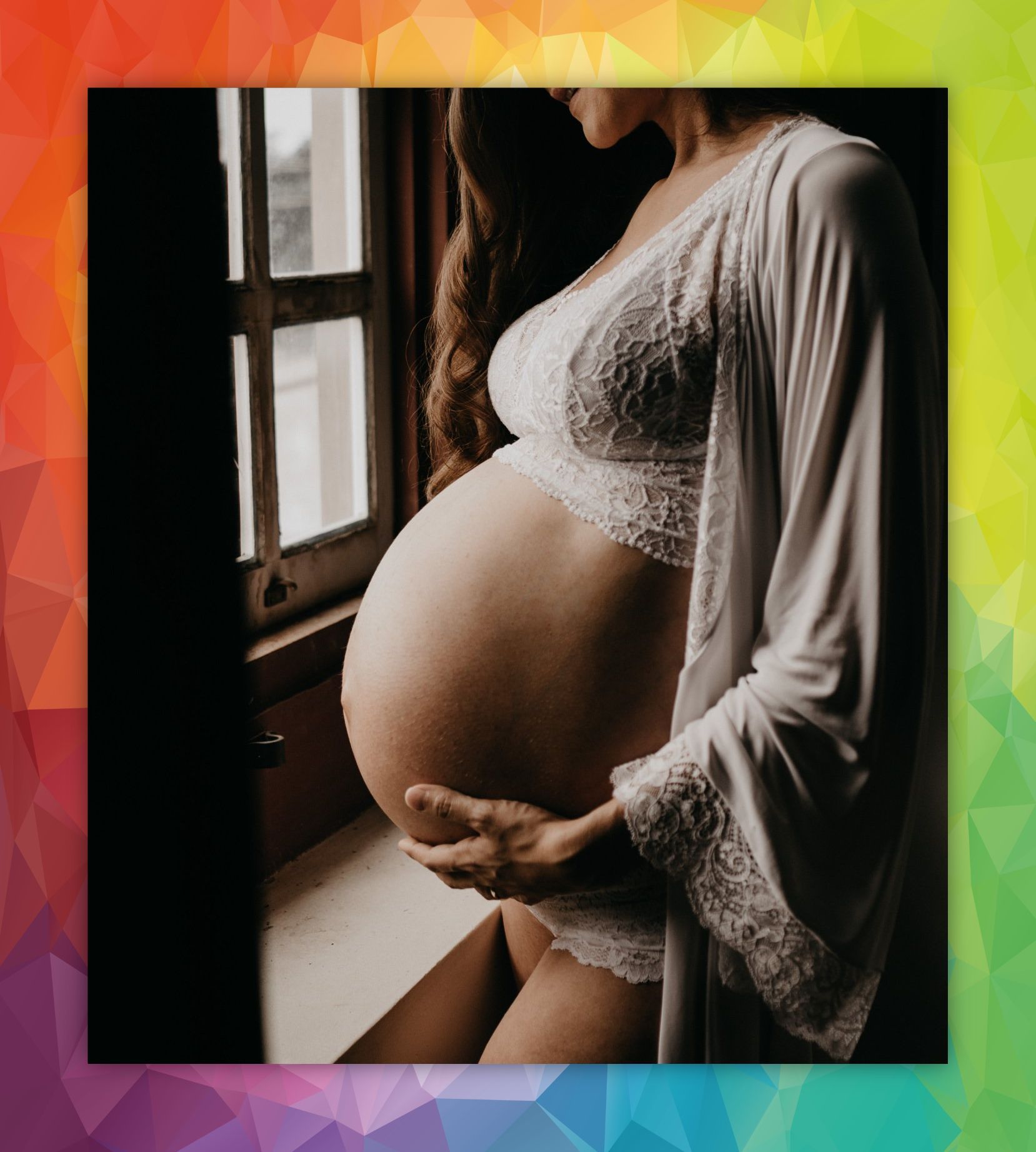
Menopause is a natural biological transition marked by the end of the menstrual cycle and is diagnosed after 12 consecutive months without a period. It most commonly occurs after the age of 50, although it may happen earlier, sometimes around age 40.
In TCM theory, female development follows seven-year cycles. Around the age of 49 (7 × 7), Kidney energy—which stores vital essence (Jing)—undergoes a natural shift. Reproductive function gradually declines, but this energy does not disappear; instead, it transforms and is redirected inward.
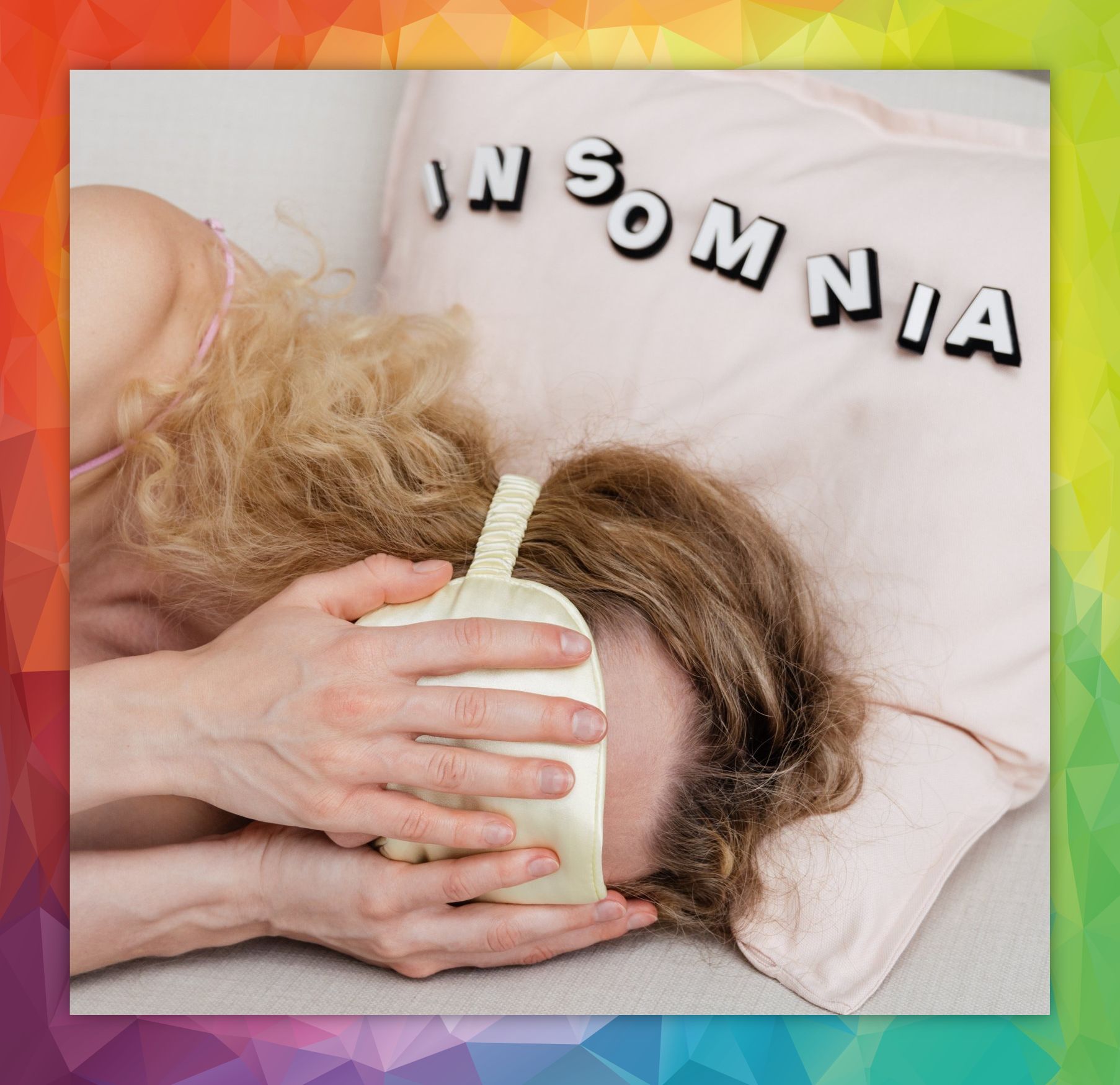
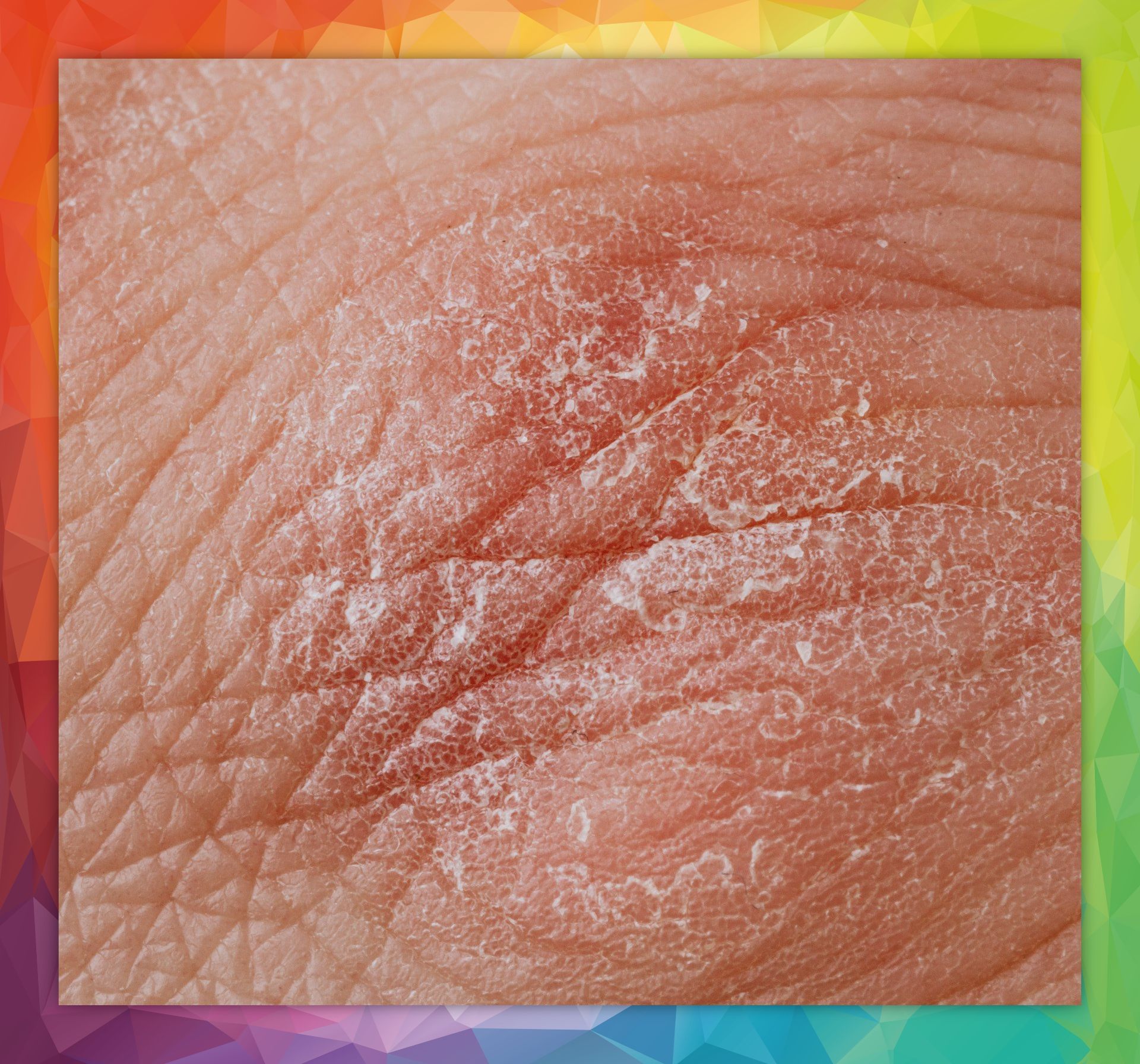
During this transition, many women experience physical symptoms such as hot flushes, night sweats, dry skin, thinning hair, and vaginal dryness. Emotional and cognitive changes may also occur, including mood fluctuations, sleep disturbances, low energy, and difficulty concentrating.After menopause, there may be an increased risk of certain health concerns, including urinary incontinence, osteoporosis, and sexual dysfunction, such as reduced libido and vaginal dryness.
Rather than viewing symptoms such as hot flushes, disturbed sleep, or irritability as unavoidable, TCM considers them signs of energetic imbalance that can be supported through nutrition, herbal medicine, acupuncture, and practices such as Qi Gong. When Qi and Yin are in balance, this stage of life can bring greater clarity, emotional stability, and a deeper connection to oneself.
Supportive approaches such as acupuncture and homeopathy may help ease common symptoms, including hot flushes, night sweats, low libido, and insomnia.
The “Second Spring” is not about ageing—it is about blossoming into a new phase of vitality and self-awareness.